
Introduction
Have you ever wondered whether your everyday vegetarian meals provide enough protein? You do not need to depend on expensive supplements or complicated recipes to include more protein in your diet. Many familiar foods in an Indian kitchen can help you meet your nutritional needs.
Protein is an essential nutrient that helps the body build and repair tissues, maintain muscles, and produce important substances such as enzymes. It is particularly important for people who exercise regularly, older adults, and anyone trying to maintain a balanced diet.
High-protein vegetarian foods can help you meet your daily protein needs while following a balanced vegetarian diet.
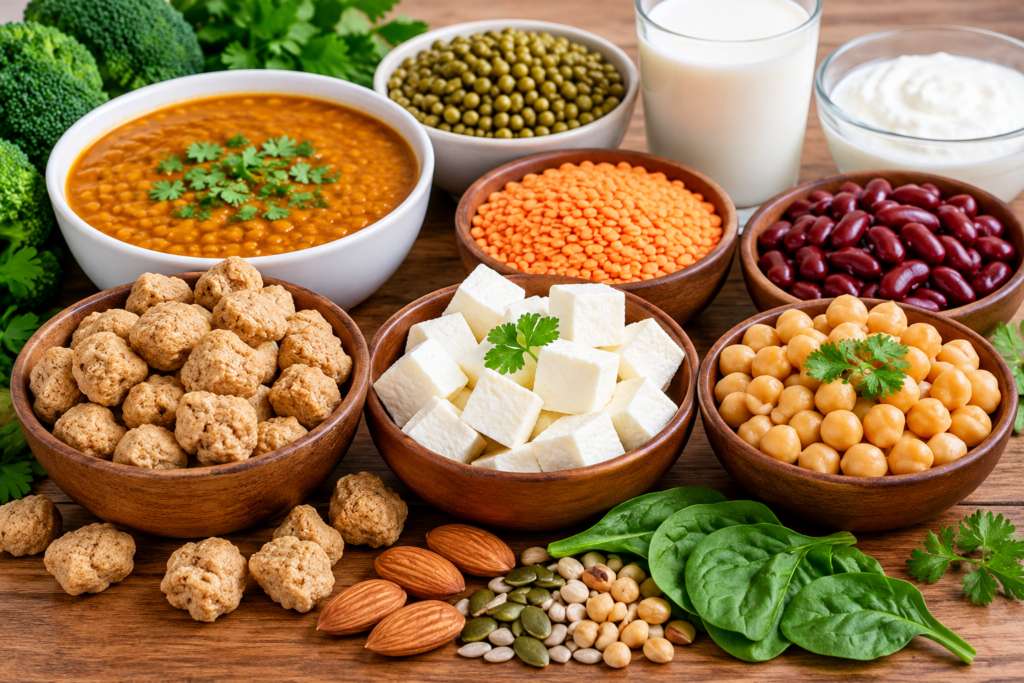
The good news is that vegetarian protein sources are widely available. Dal, chickpeas, kidney beans, paneer, soya chunks, milk, tofu, peanuts, and several seeds can all contribute to your daily protein intake.
In this guide, you will discover 15 high-protein vegetarian foods, how to include them in everyday meals, and practical ways to build a balanced vegetarian diet.
Why Is Protein Important for Your Body?
Protein is made up of smaller units called amino acids. Your body uses these amino acids to build and repair tissues and to produce many substances needed for normal functioning.
Getting adequate protein can help support:
- Muscle maintenance and recovery after exercise.
- Normal growth and tissue repair.
- The production of enzymes and hormones.
- The maintenance of healthy body tissues.
- A balanced diet that supports general well-being.
However, eating more protein than your body needs does not automatically lead to bigger muscles. Muscle development also depends on appropriate exercise, sufficient overall food intake, sleep, and recovery.
Table of Contents
15 High-Protein Vegetarian Foods You Can Eat Regularly
1. Soya Chunks
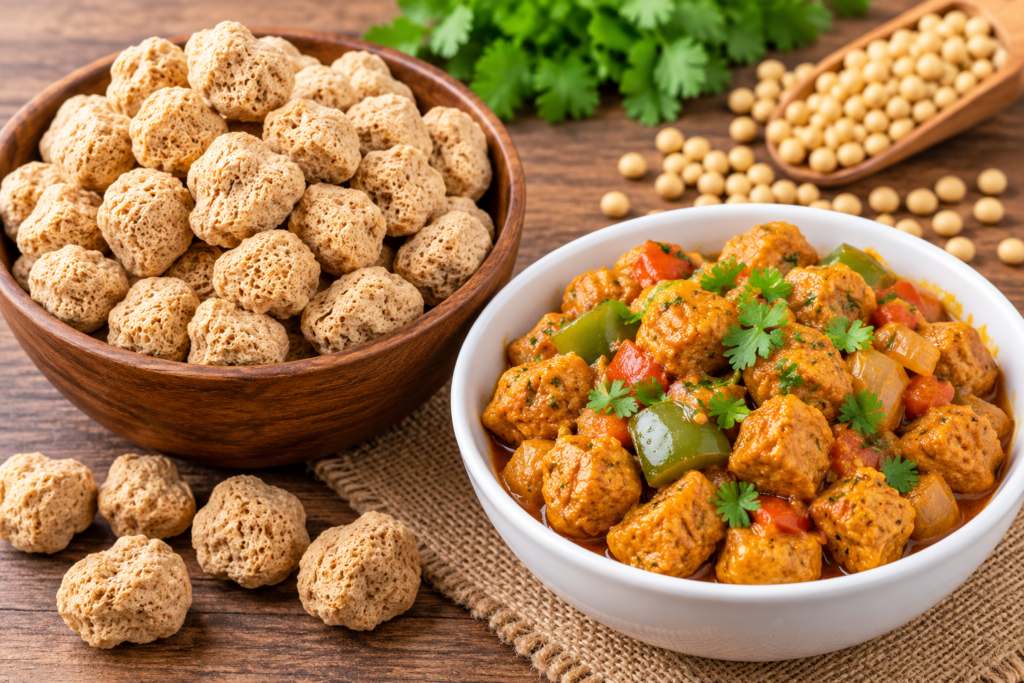
Soya chunks are one of the most concentrated protein sources commonly available in Indian grocery stores. They are made from defatted soy flour and can be used in curries, pulao, wraps, and other dishes.
How to include them: Prepare soya chunk curry, add them to vegetable pulao, or use them in a homemade wrap.
Practical tip: Check the nutrition label on your packet. Protein content varies by product, and the figure for dry soya chunks should not be confused with the figure for cooked chunks, which contain absorbed water.
2. Paneer
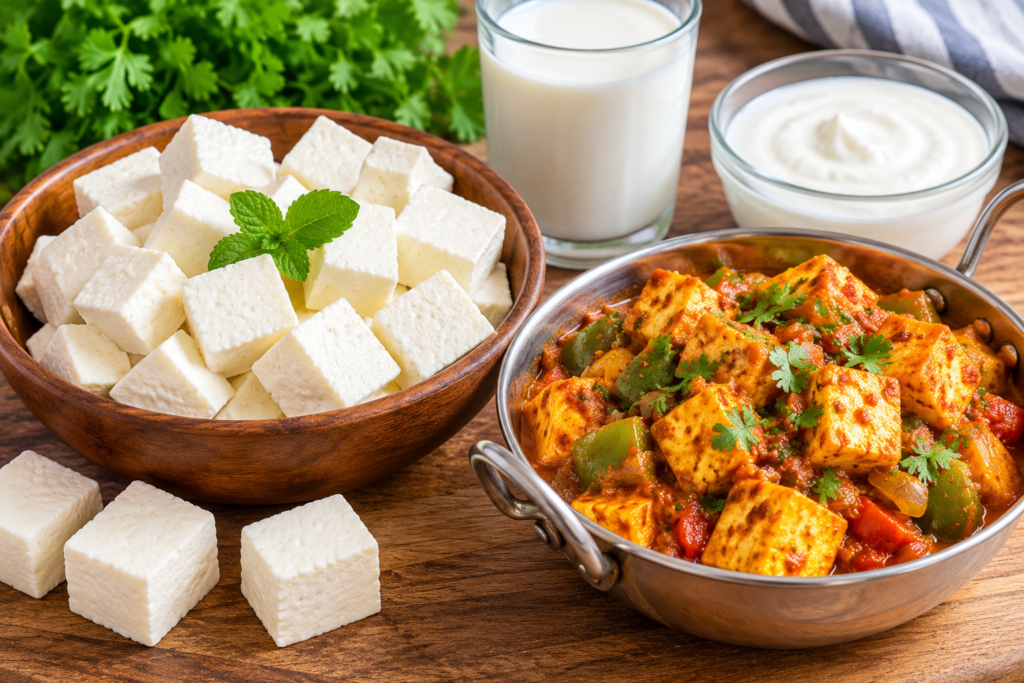
Paneer is a useful vegetarian protein source for people who consume dairy products. It also provides calcium, although its fat content varies according to how it is made.
How to include it: Add paneer to bhurji, vegetable curry, sandwiches, or a homemade salad.
Practical tip: If you are monitoring calorie intake or saturated fat, pay attention to portion size and choose a preparation method that suits your dietary needs.
3. Lentils and Dal
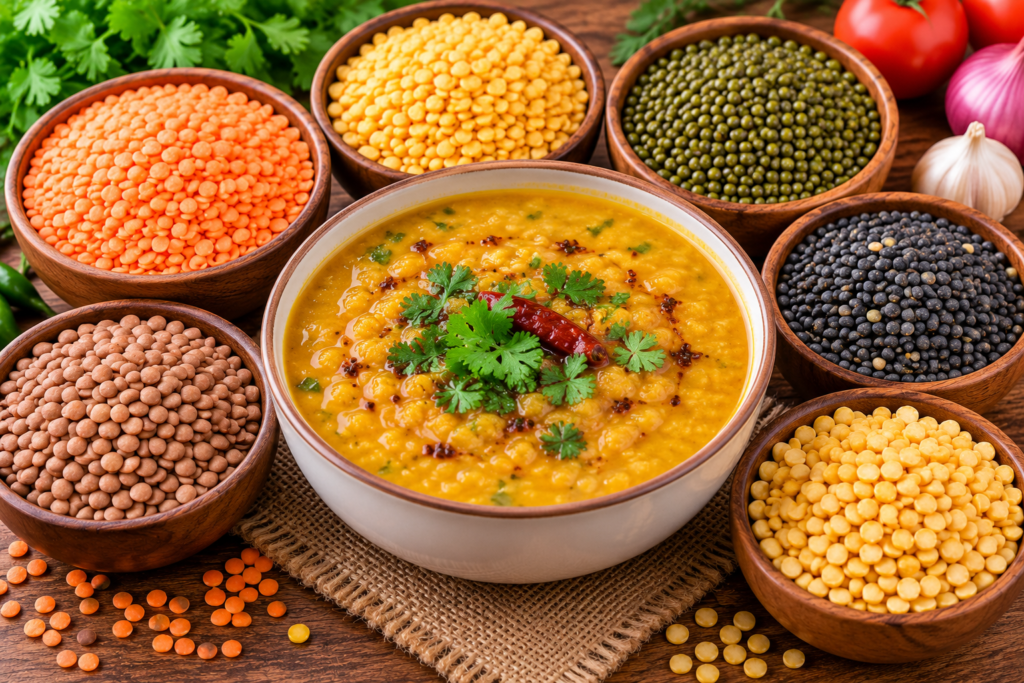
Dal is a familiar part of many Indian meals and can contribute protein, fibre, and other nutrients. Masoor, moong, urad, and toor dal are all useful options.
How to include it: Eat dal with roti or rice, prepare vegetable khichdi, or add lentils to soups.
Practical tip: Rotate different varieties during the week instead of eating the same preparation every day.
4. Chickpeas (Chana)
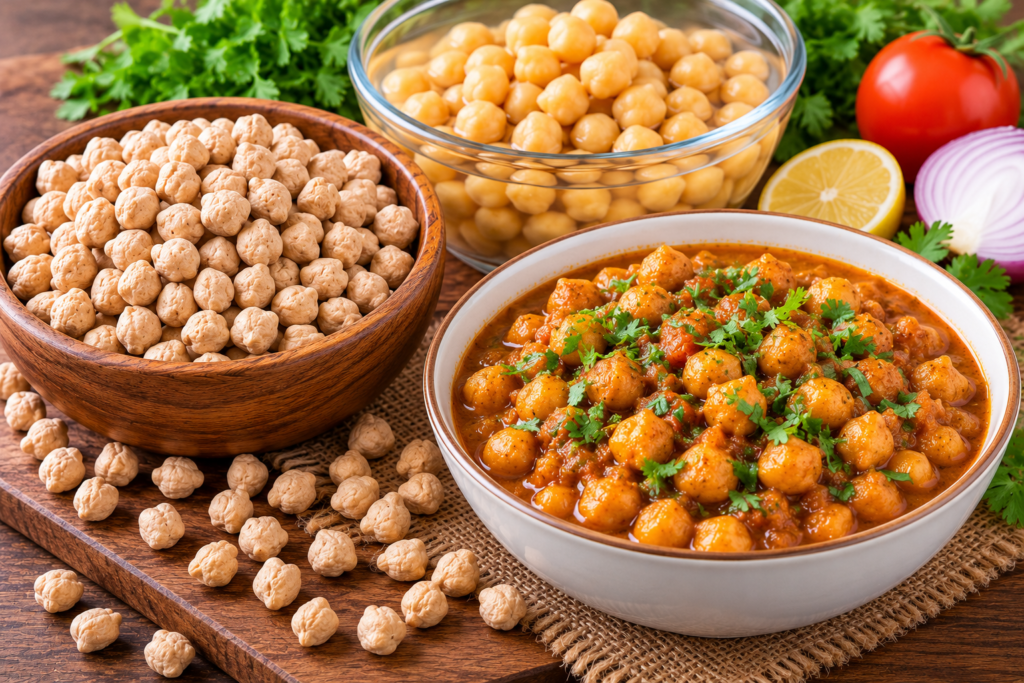
Chickpeas are a versatile source of plant protein and fibre. Both kabuli chana and kala chana can be included in a vegetarian eating pattern.
How to include them: Make chana masala, roasted chana snacks, chickpea salad, or a homemade hummus-style dip.
Practical tip: If chickpeas cause gas or bloating, try smaller portions and increase them gradually. Soaking and cooking them thoroughly may also improve tolerance.
5. Kidney Beans (Rajma)
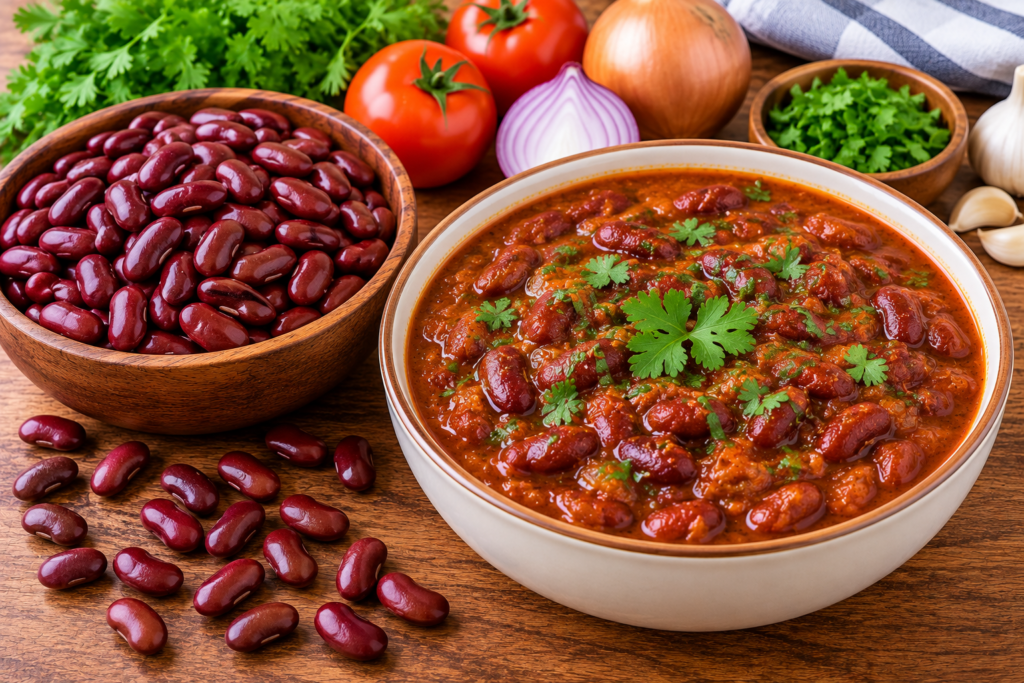
Rajma provides protein, fibre, and carbohydrates. It is an affordable ingredient that can help make meals more satisfying and varied.
How to include it: Serve rajma with rice, add cooked beans to a salad, or combine them with vegetables in a bowl meal.
Practical tip: Always cook dried kidney beans thoroughly. Raw or undercooked kidney beans can cause illness.
6. Tofu
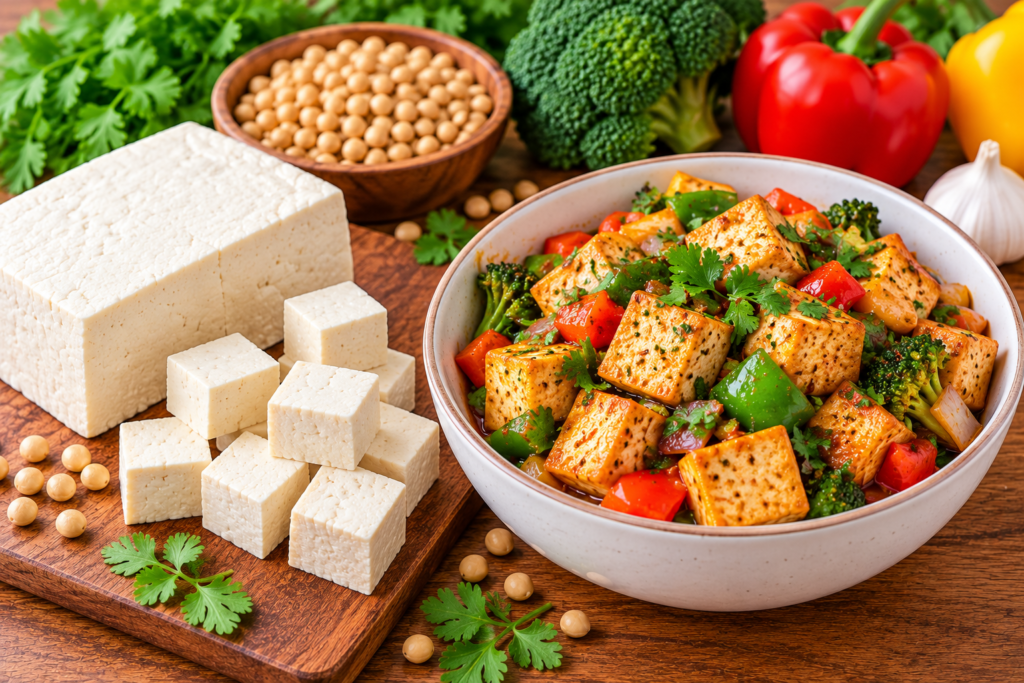
Tofu is made from soybeans and is a useful option for people who avoid dairy. Its texture and protein content vary by type and brand.
How to include it: Stir-fry tofu with vegetables, add it to curry, or grill it with herbs and spices.
Practical tip: Check the nutrition label before comparing tofu with paneer or soya chunks. Different products can have substantially different amounts of protein.
7. Milk
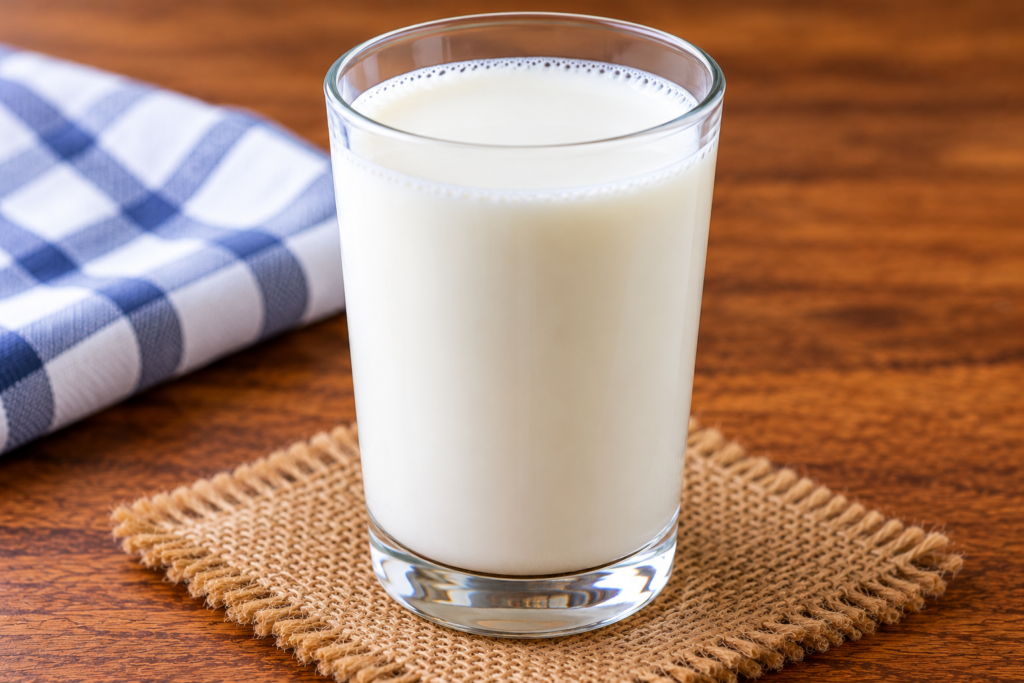
Milk provides protein along with calcium and vitamin B12. It can be a convenient addition to breakfast or a snack.
How to include it: Drink a glass with a meal, prepare oats with milk, or use it in a homemade smoothie.
Practical tip: Choose the type of milk that fits your dietary needs. If you avoid dairy, consider an unsweetened fortified soy drink, checking its protein, calcium, and vitamin B12 content.
8. Curd or Dahi
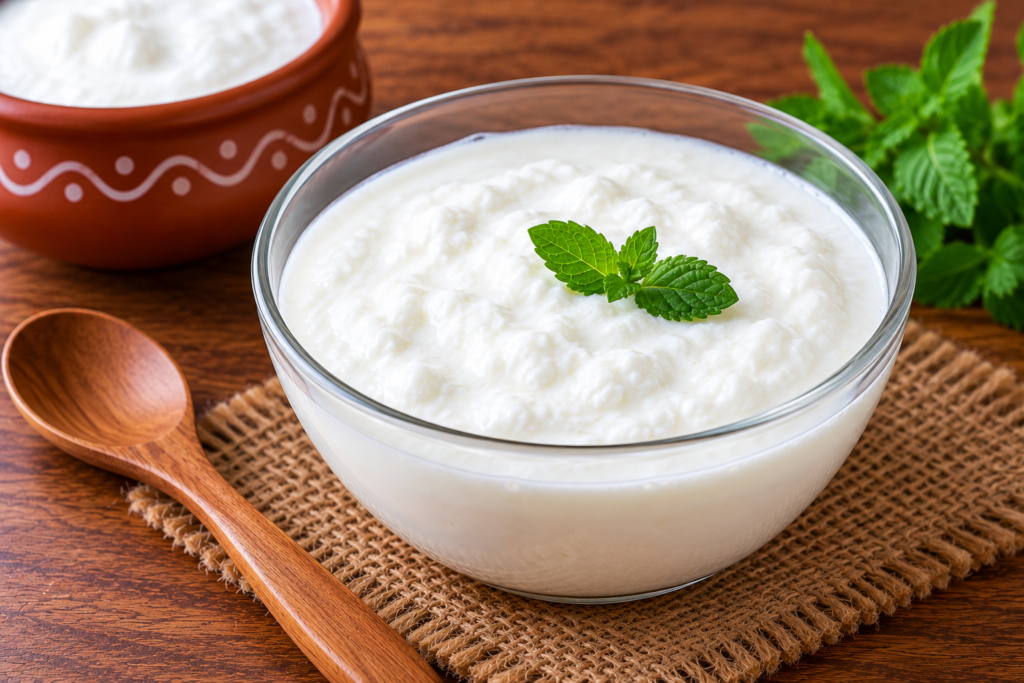
Curd is another convenient dairy food that contributes protein and calcium. Its protein content depends on the type and preparation method.
How to include it: Serve curd with lunch, make raita, or pair it with a balanced snack.
Practical tip: Plain curd is often a better everyday choice than varieties containing large amounts of added sugar.
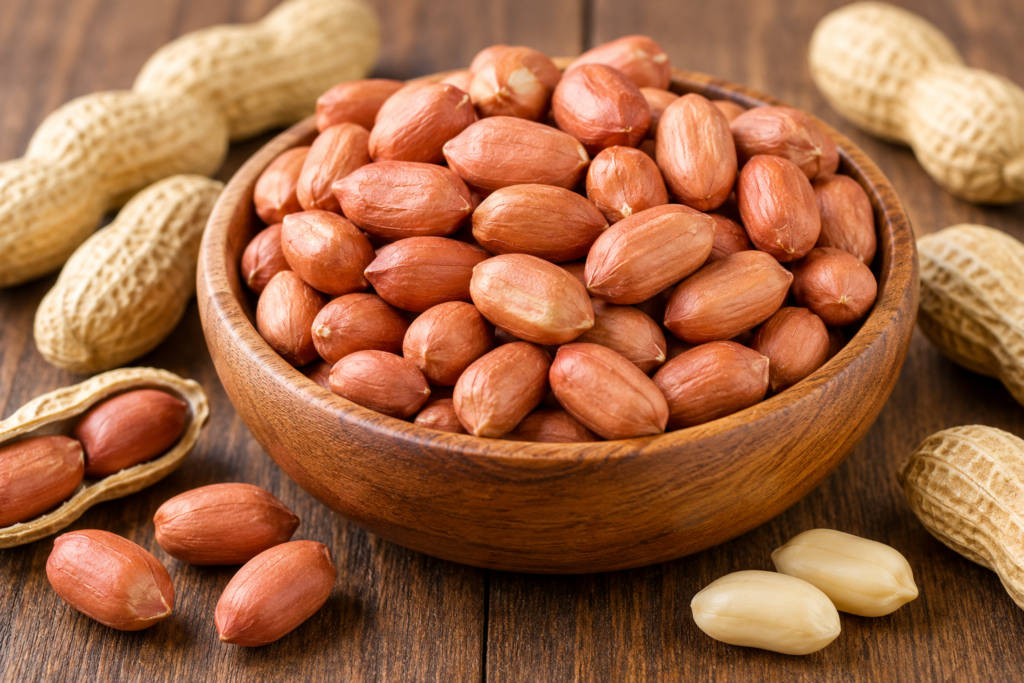
9. Peanuts
Peanuts contain protein and unsaturated fats. They can make a useful addition to meals and snacks, although they are also energy-dense.
How to include them: Add a small portion to poha, prepare peanut chutney, or enjoy roasted peanuts as a snack.
Practical tip: Remember that peanuts are not just a protein food; they also provide substantial calories. Keep portions appropriate for your needs and avoid them if you have a peanut allergy.
10. Besan (Gram Flour)
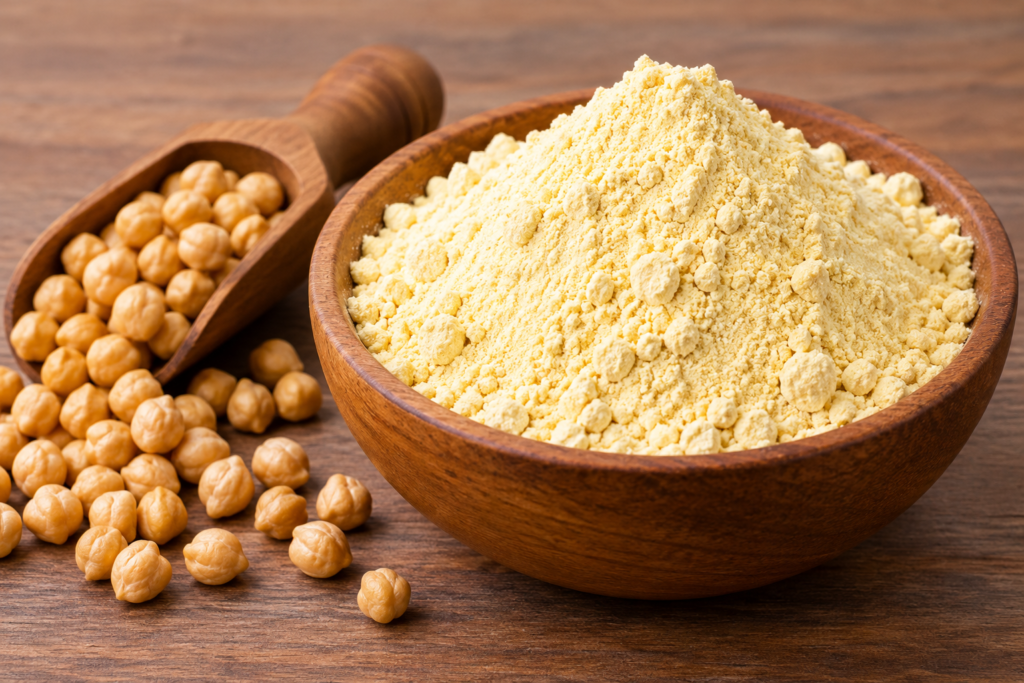
Besan is made from chickpeas and provides protein along with carbohydrates and other nutrients.
How to include it: Prepare besan chilla with vegetables, make dhokla, or use besan in suitable homemade recipes.
Practical tip: Add vegetables to besan chilla to increase the variety of nutrients in your meal.
11. Green Peas
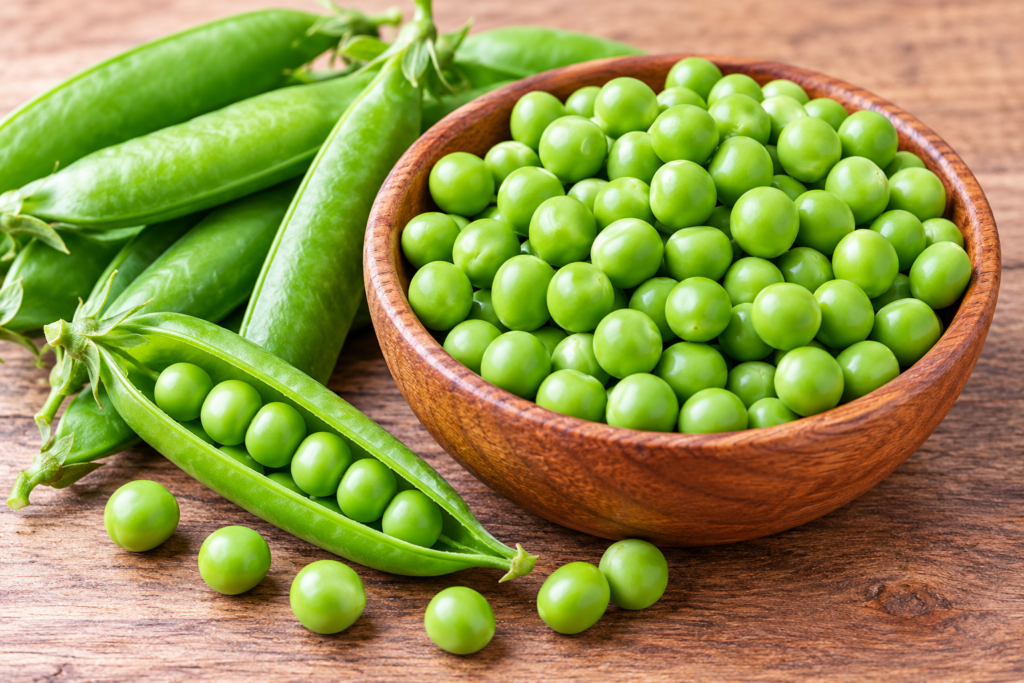
Green peas contribute protein, fibre, and carbohydrates. They can help increase the nutritional variety of ordinary meals.
How to include them: Add peas to pulao, mixed vegetables, soups, or homemade paratha filling.
Practical tip: Frozen peas are a convenient option when fresh peas are unavailable.
12. Moong Beans and Sprouts
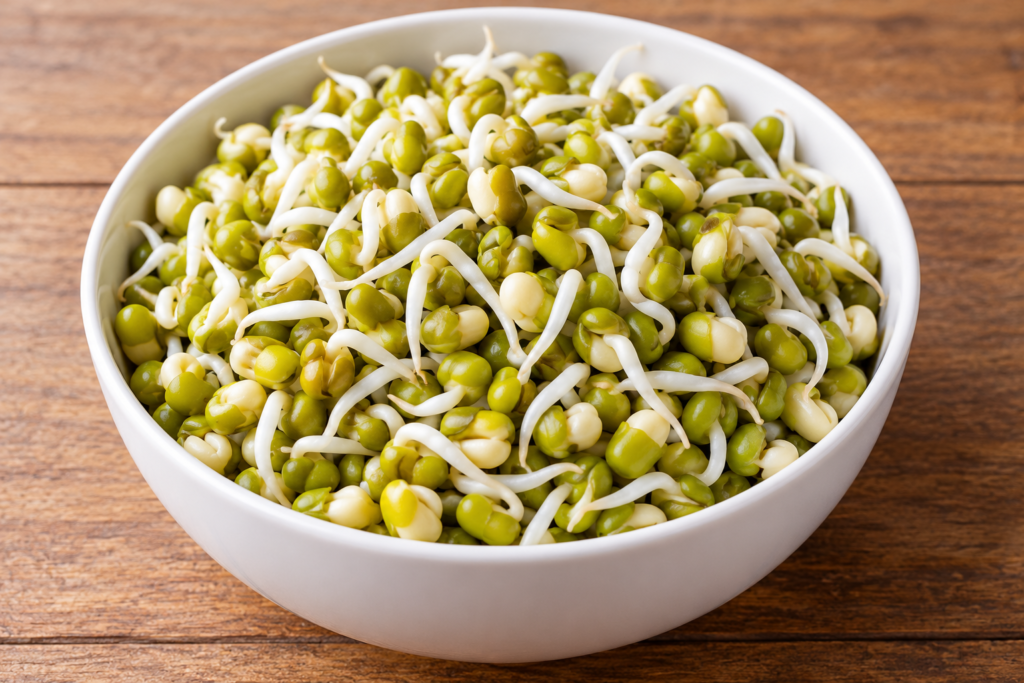
Whole moong beans provide plant protein and fibre. Sprouting changes the composition of the food, but sprouts should be handled carefully because raw sprouts can carry harmful bacteria.
How to include them: Add properly cooked sprouts to chaat, prepare moong curry, or make a moong dal chilla.
Practical tip: People at increased risk of foodborne illness should avoid raw sprouts and choose thoroughly cooked alternatives.
13. Almonds
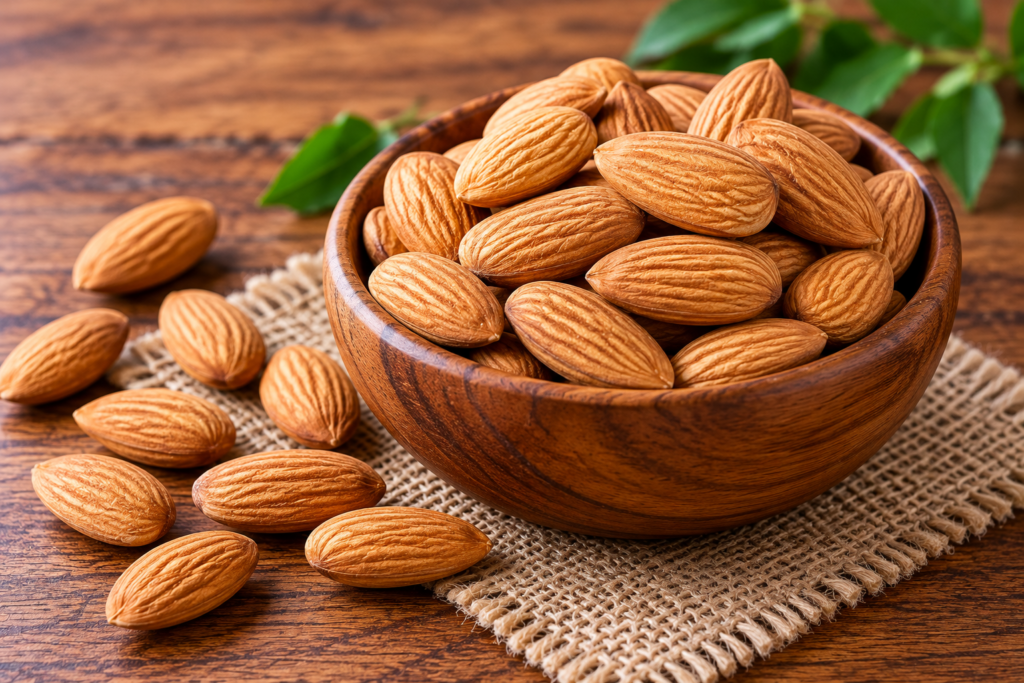
Almonds contain protein, unsaturated fats, fibre, and vitamin E. They can contribute to a balanced diet, although they should not be treated as the main protein source in a meal.
How to include them: Add a small handful to breakfast, mix chopped almonds into oats, or combine them with fruit.
Practical tip: For a more protein-rich meal, pair almonds with milk, curd, soy yoghurt, or another suitable protein source.
14. Sesame Seeds (Til)
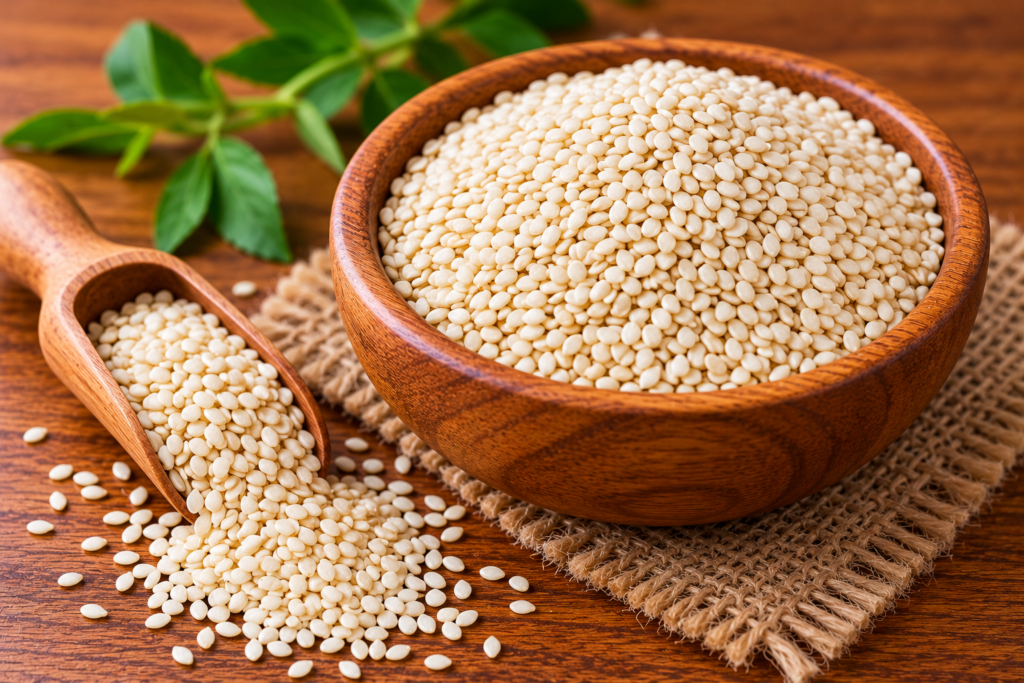
Sesame seeds contain protein, fats, and minerals. They are easy to add to everyday recipes, although the amount used in a normal serving is usually small.
How to include them: Sprinkle sesame seeds over vegetables, add them to chutney, or use them in homemade seed mixtures.
Practical tip: Use seeds to complement your main protein foods rather than relying on them alone to meet your daily requirements.
15. Whole-Wheat Roti and Other Whole Grains
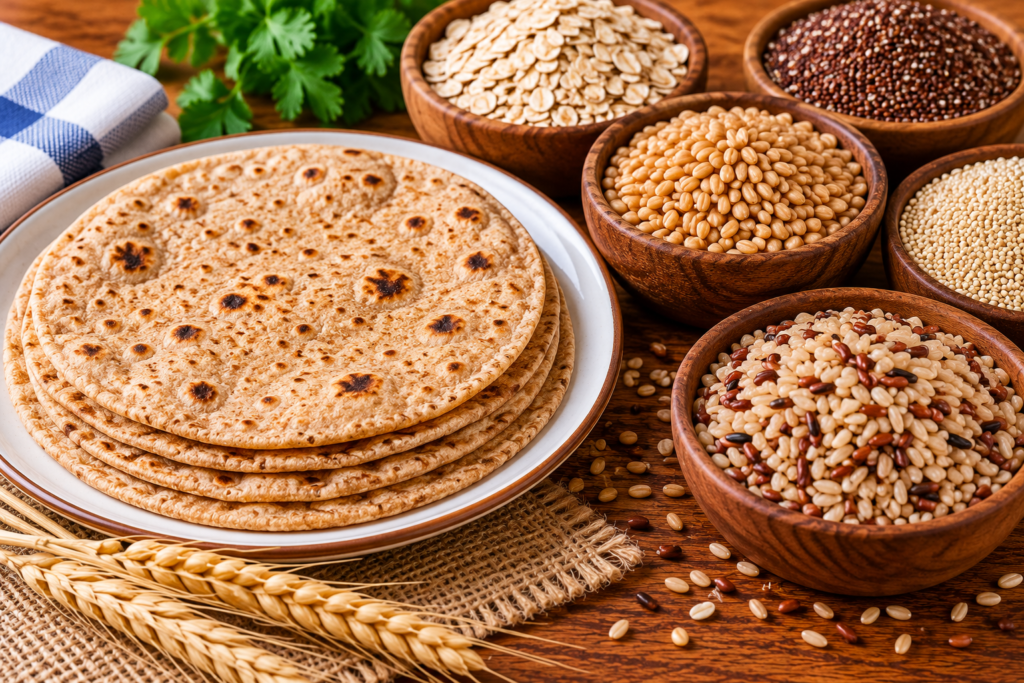
Whole grains are not usually as protein-dense as soya chunks or dry lentils, but they still contribute to total daily protein intake. They also provide carbohydrates that help supply energy.
How to include them: Eat whole-wheat roti with dal, combine rice with rajma, or include oats and other whole grains in your meals.
Practical tip: Combining grains with pulses across the day helps provide a variety of essential amino acids. Traditional meals such as dal-roti and dal-rice can be part of a well-planned vegetarian diet.
How Much Protein Do You Need Every Day?
Protein requirements depend on body weight, age, activity level, health status, and life stage.
The Indian Council of Medical Research–National Institute of Nutrition’s dietary guidance gives a reference protein requirement of approximately 0.83 grams per kilogram of body weight per day for healthy adults.
For example, a person weighing 60 kilograms would calculate a reference amount of approximately 50 grams of protein per day using that figure. This is a general reference, not an individual prescription. Requirements may differ during pregnancy, breastfeeding, illness, or particular exercise and training programmes.
People with chronic kidney disease or other conditions that affect protein requirements should seek individual advice from a qualified healthcare professional.
Example of a Protein-Rich Vegetarian Day
Here is an example of how you might spread vegetarian protein sources across your day.
| Meal | Example |
|---|---|
| Breakfast | Besan chilla with curd |
| Mid-morning | Fruit and a small portion of peanuts |
| Lunch | Roti, dal, vegetables, and curd |
| Evening snack | Roasted chana or milk |
| Dinner | Soya chunk curry or tofu with roti and vegetables |
This is a meal-idea template, not a personalised diet plan. The total protein will depend on portion sizes, recipes, and the specific products you use.
How to Get More Protein Without Spending Too Much
Eating a protein-rich diet does not necessarily mean buying expensive products.
Try these practical approaches:
- Use dal regularly. Choose affordable varieties such as moong, masoor, or chana dal.
- Plan meals around pulses. Rajma, chickpeas, and lentils can be cooked in batches and used in different meals.
- Compare packet labels. When buying soya chunks, tofu, or fortified soy drinks, compare protein per serving and the price.
- Use dairy if suitable. Milk and curd can contribute protein without requiring elaborate recipes.
- Limit waste. Plan portions and store cooked food safely.
- Avoid unnecessary supplements. Many people can meet their protein needs through ordinary foods, although some may benefit from supplements under appropriate guidance.
Common Mistakes to Avoid
Depending on only one protein food
Eating only paneer or soya chunks every day can reduce variety. Rotate pulses, dairy or fortified alternatives, nuts, seeds, and grains.
Confusing dry and cooked weights
Dry lentils contain more protein per 100 grams than cooked lentils because cooked lentils absorb water. Always check whether a nutrition figure refers to a dry or cooked food.
Ignoring overall nutrition
Protein is important, but your body also needs adequate energy, carbohydrates, fats, vitamins, minerals, and fibre.
Assuming every vegetarian food is protein-rich
Foods such as fruit and many vegetables are nutritious, but they generally provide less protein per serving than pulses, tofu, paneer, or soya chunks. Include a suitable protein source in your main meals.
Buying supplements without checking your needs
Protein powder is not essential for everyone. Start by reviewing your normal diet and seek professional advice if you are unsure whether you meet your requirements.
Frequently Asked Questions
Which vegetarian food is highest in protein?
Dry soya chunks are among the most concentrated protein sources commonly available in Indian shops. Soybeans, lentils, peanuts, and other pulses are also useful sources. Compare nutrition labels because products and serving sizes vary.
Can vegetarians build muscle without eating meat?
Yes. A well-planned vegetarian diet can provide the protein needed for muscle maintenance and growth. Appropriate resistance training, sufficient food intake, sleep, and recovery are also important.
Are dal and roti a good combination?
Yes. Dal and roti provide a combination of plant foods that contributes protein and energy. Including different pulses and grains throughout the day helps provide a range of essential amino acids.
Is soya safe to eat regularly?
Soya foods can be included in a varied diet for most people who tolerate them. Choose products that suit your nutritional needs, and seek medical advice if you have a soy allergy or a condition requiring specialised dietary guidance.
Do I need protein powder if I exercise?
Not necessarily. Many people who exercise can meet their needs through food. Whether a supplement is useful depends on your total diet, training, preferences, and individual requirements.
Conclusion
A vegetarian diet can provide a variety of protein sources without relying on meat or expensive supplements. Everyday foods such as dal, chickpeas, rajma, paneer, soya chunks, tofu, milk, curd, and peanuts can all contribute to your daily intake.
Including a variety of high-protein vegetarian foods, such as dal, paneer, soya chunks, beans, and curd, can help you maintain a healthy and balanced diet.
The key is to combine different foods, choose sensible portions, and maintain a balanced eating pattern that fits your lifestyle.
Start by including a suitable protein source in your main meals and gradually build a routine you can maintain.
Medical disclaimer: This article is for general educational purposes and is not a substitute for personalised medical or dietetic advice.
Note: Along with choosing high-protein vegetarian foods, you can build a healthier lifestyle by following these [10 Daily Healthy Habits for a Better Life].
References
- Indian Council of Medical Research–National Institute of Nutrition (ICMR–NIN), Dietary Guidelines for Indians: https://www.nin.res.in/dietaryguidelines.html
- NHS, The Vegetarian Diet: https://www.nhs.uk/live-well/eat-well/how-to-eat-a-balanced-diet/the-vegetarian-diet/